
Wood Percussion Instruments
Every material brings strengths and trade-offs, and that shapes how wood percussion instruments can look, feel and age. Check the care notes for washing, cleaning and drying, as they differ from one material to another. Heat, water and direct sunlight affect some materials more than others, so think about where it will be used and kept.
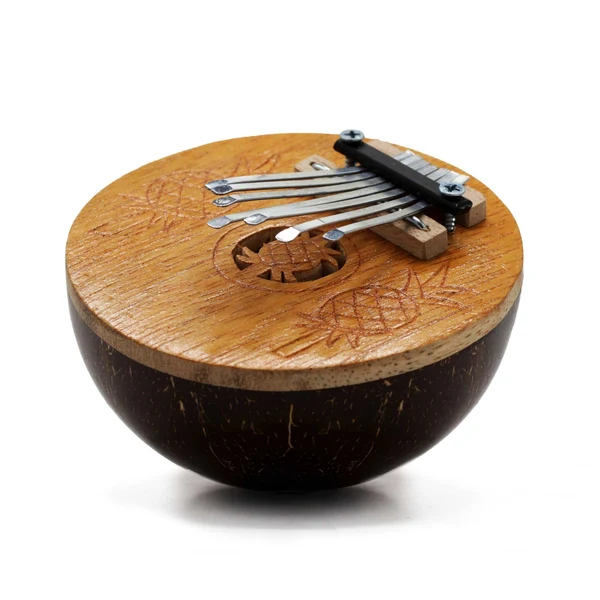
Mini Coconut Shell Kalimba Thumb Piano
£20.99 incl. VAT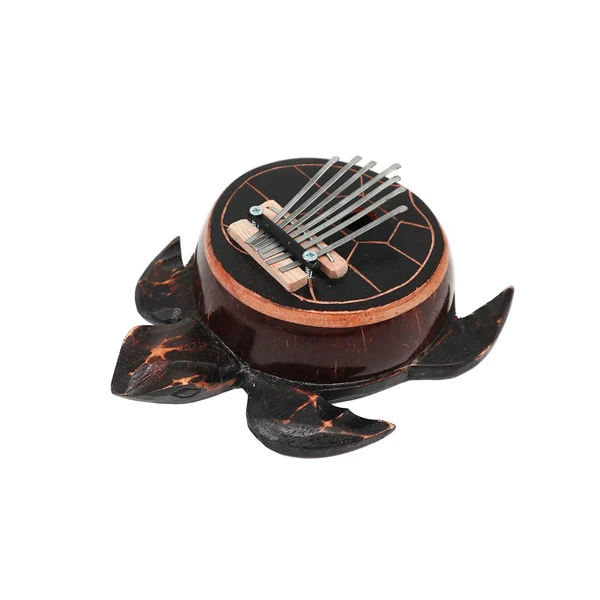
Antique-Style Turtle Coconut Shell Kalimba
£40.99 incl. VAT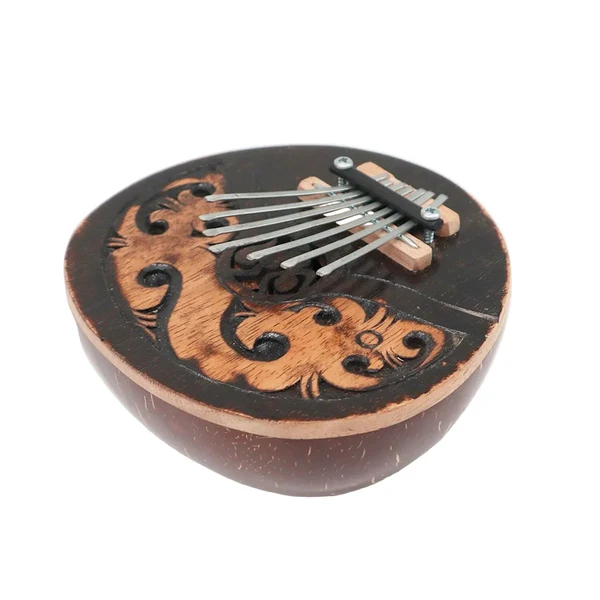
Antique Coconut Kalimba with 7 Steel Keys
£25.99 incl. VATBefore you choose
A short checklist for this collection.
01
02
03
How to choose
- Step back to compare every material in one place: Percussion Instruments.
- For frequent use, choose a forgiving material that is easy to clean.
- Consider how readily the material shows marks, scratches or creases.
- If matching existing pieces, compare finish as well as material.
Frequently asked questions
How do I choose between a carbon fibre bow and a wooden violin bow?
Carbon fibre resists humidity shifts and everyday knocks well, whereas wooden bows are favoured by players seeking a warm traditional response.
How do I store wooden instruments in centrally heated rooms?
Keep acoustic instruments inside a closed case away from radiators and draughty windows so timber stays stable.
Can this material vary from one item to another?
Yes: one material can come in different grades, blends and finishes, so wood percussion instruments described the same way can still look and feel different.
How does the material affect wood percussion instruments?
In wood percussion instruments, the material sets weight, feel, appearance and upkeep, and it shapes how each piece ages with regular use.
How practical is this material for daily use?
Daily practicality depends on the material's grade and finish; for wood percussion instruments used every day, look for a forgiving surface that is easy to care for.