
Silent Practice Violins
For silent practice violins, practical points such as carrying, cleaning and storing often matter as much as looks. Every use of this kind can be compared in one place: Violins. If several people share the use, choose something simple and forgiving.
Related: Violins
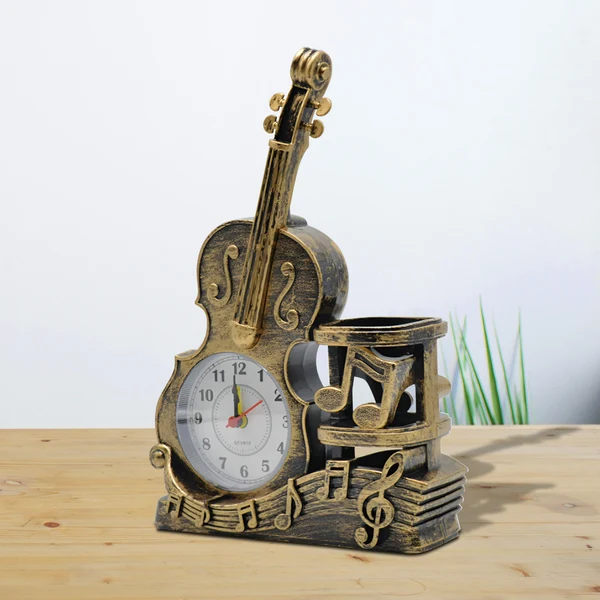
Violin Alarm Clock and Pen Holder, Vintage Analogue Desk Decor
£16.99 incl. VATBefore you choose
A short checklist for this collection.
01
02
03
How to choose
- Define the use first: where, how often and by whom.
- For occasional use, a simpler design is often enough.
- Decide between a dedicated design for this use and a versatile one.
- If replacing something used for the same job, list what you would change.
- If it travels, compare weight, size and how it packs.
Frequently asked questions
Why do musicians prefer wired earphones for recording and silent practice?
Wired monitoring avoids wireless delay so intonation and rhythm stay locked precisely in time.
Why should I loosen a violin bow after every practice session?
Releasing tension keeps the stick camber straight and stops the horsehair from stretching prematurely.
What should I look for in silent practice violins?
Look for silent practice violins whose design suits the job: the right size, a material that copes with the conditions and a care routine that fits how often the job comes up.
What material suits silent practice violins?
Choose a material for silent practice violins that copes with the conditions of use, such as damp, heat or heavy handling, and that you are happy to clean after each use.
When does portability matter for silent practice violins?
Portability matters for silent practice violins whenever the use involves carrying or travelling; then weight, size and how it packs become key points.